by Liam Crowe, Bark Busters USA While most of us welcome the sights, sounds, and smells of the season, holidays can also be chaotic—especially for pets. Holiday festivities can disrupt a dog’s routine and potentially present dangerous circumstances. But by following a few common-sense tips, the holidays can be cheery for everyone—including the family dog.
1. Avoid Christmas tree disasters. Christmas trees are a wonderful tradition, but they can lead to problems if you have a curious canine.
a. Prevent the tree from tipping. Anchor it to the ceiling or wall.
b. Hang non-breakable ornaments near the bottom of the tree.
c. Tinsel can be deadly when eaten. It can twist in your dog’s intestines and cause serious problems. Just don’t put it on your tree.
d. Don’t let your dog drink the Christmas-tree water. It often contains chemicals to help the tree last longer; these chemical can cause severe indigestion in dogs.
e. Pine needles can cause health problems. If ingested, they can puncture holes in your pet's intestines. Regularly sweep up fallen pine needles to avoid a trip to the emergency animal clinic.
2. Mistletoe, poinsettias and amaryllis are toxic. Be aware of these poisonous holiday plants and keep your pets away from them.
3. Keep “blowing” snow in the globe. Many snow globes contain antifreeze, which is extremely toxic to dogs—so it’s best to keep snow globes and all antifreeze out of the reach of a happy, tail-wagging dog. If there is an antifreeze spill of any kind, send your dog out of the room while you clean up the liquid. Dilute the spot with water and floor cleaner to make sure your dog does not lick these harmful chemicals later.
4. Holiday sweets are not dog treats. Candy, cookies, cakes, peppermints—and especially chocolate—can trigger life-threatening illnesses in dogs.
5. Make no bones about it. Cooked turkey and chicken bones are not for dogs as they can easily break and cause choking, and bone shards can get stuck in your dog’s gums. Stick with “bones” specifically designed for dogs to chew. Ask your local veterinarian for suggestions.
6. A relaxed dog is a good dog. Most dogs are excitable when guests arrive. Exercise your dog prior to the arrival of guests. After 30 minutes of walking or playing, most dogs will be more relaxed or ready to take a nap. As a general rule, it’s best not to allow the family dog to greet unfamiliar guests. Commotion and unusual circumstances can cause stress for dogs. Give your dog a break in a quiet room with a familiar doggie bed or blanket. Allow your canine companion to join the festivities after the initial commotion of arrival has subsided.
7. Keep the liquids flowing! When pets are stressed by unfamiliar circumstances, they typically pant more, so keep fresh water readily available for them to drink.
8. Beware of cold and snowy weather. While it might be convenient to put your dogs outside when guests arrive for holiday festivities, falling temperatures and snow can be dangerous to pets. In addition, never let your pet roam freely, as icy roads can make it hard for cars to stop if your dog wanders into the street.
9. Do not give pets as surprise gifts! A cute and cuddly puppy might seem the perfect gift choice, but many of these holiday presents end up at animal shelters. A dog takes a real commitment of time, and adoptive owners must be ready to participate in training and managing the responsibility of their new family member. If you know someone who’s serious about adopting a dog, consider giving a leash, collar or dog training certificate from Bark Busters, along with a note saying a dog of the recipient’s choice comes with it. This will help ensure the lucky person receives the dog he or she wants to have as part of the family.
10. Add your pet to your gift list. Help your dogs stay occupied and out of the holiday decorations by giving them their own gifts. The Buster Cube™ or a Kong™, for instance, are both nearly indestructible and will distract your dog for long periods of time.
Do Something for Puppy Mill Action Week
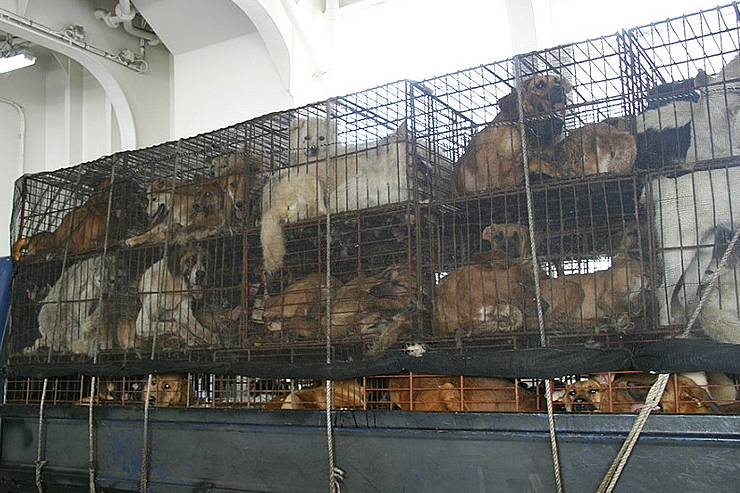
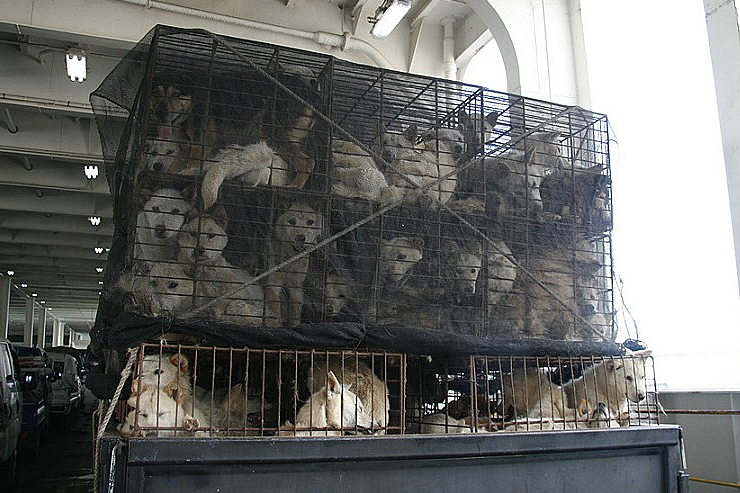
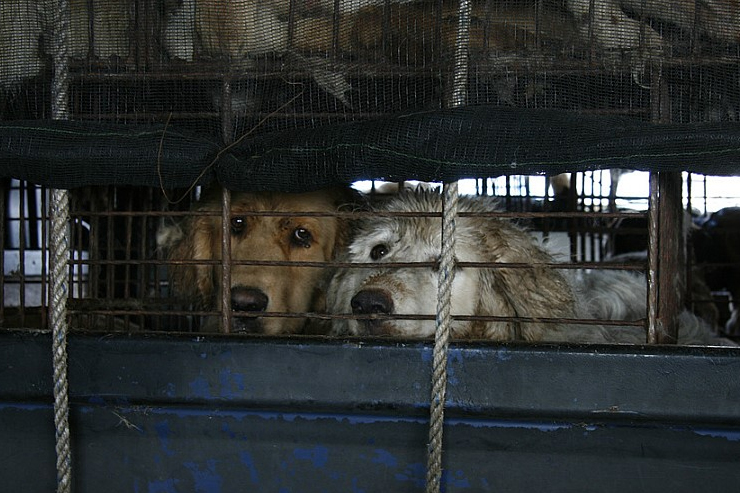
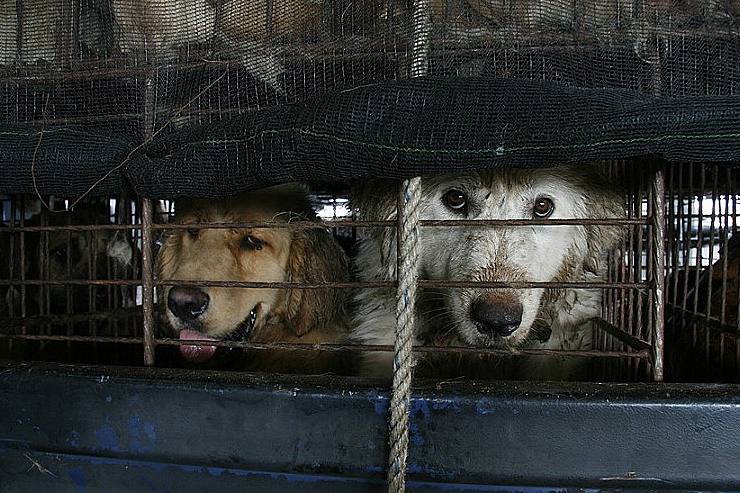
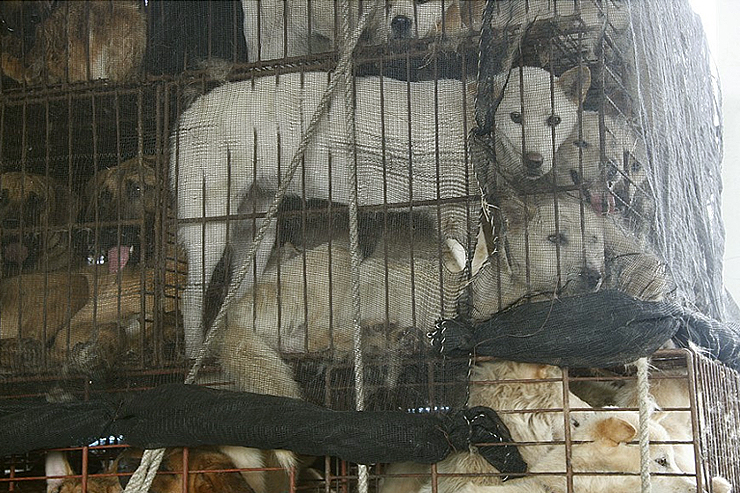
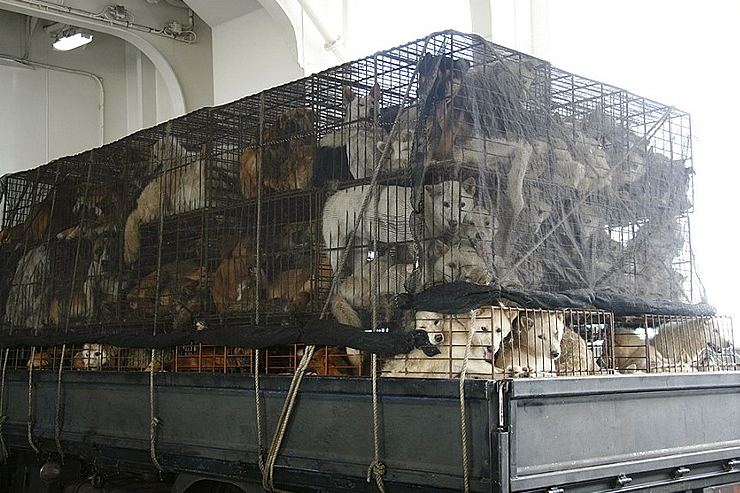
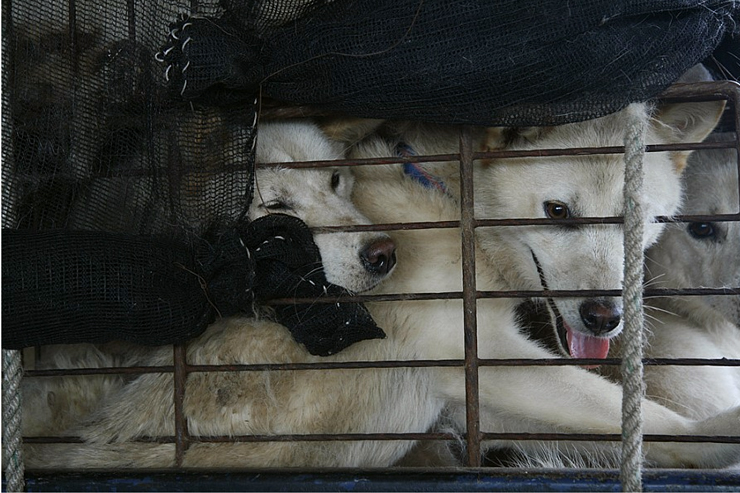
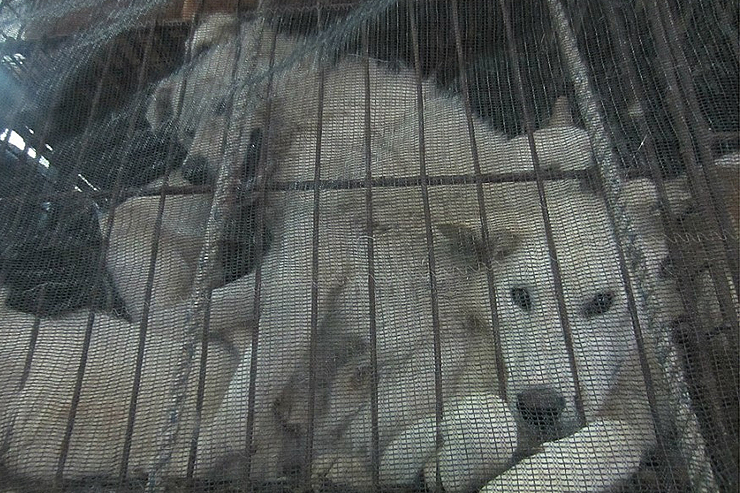
This week marks the Humane Society’s third annual Puppy Mill Action Week, which is intended to educate people about how to get a dog without supporting the puppy mill industry and what to do to put puppy mills out of business.
While these puppies may seem happy and healthy, they often come with a host of unforeseen health and behavioral problems as a result of a lack of socialization and proper care of both mothers and pups. This isn’t only a problem for the dogs, but for the unsuspecting people who want to welcome a new member to the family only to be faced with unsightly vet bills and potential loss.
Opt to Adopt
Check your local shelters or rescue organizations for a dog. It’s estimated that one in four dogs that end up in shelters are purebred. Breed specific rescue organizations also exist around the country.
Send a Message with Your Cash
Don’t shop at pet stores that sell animals. Puppy mills exist simply because they can make a profit. No demand will result in no supply. The same goes for buying online. There’s no way to know a dog’s history, or to check up on where they really came from.
You can also ask pet stores to join the Puppy Friendly Pet Store initiative, which asks them not to sell puppies and instead support local adoption programs.
Do You Homework
If you’re going to buy from a breeder, a good breeder will check you out just as well as you check them out. Check out the Humane Society’s tips for finding a reputable breeder.
Tell Your Representative Puppy Mills are Unacceptable
Contact your state and federal representatives asking them to support tougher legislation to crack down on this dirty business. Ask them to include breeders that sell to the public under the Animal Welfare Act. This would require breeders to meet basic standards of care, in addition to being licensed and inspected USDA inspections. Currently there are no regulations for those who sell directly to the public.
Tell a Friend
There are plenty of ways to spread the word about the horrors of puppy mills. You can join End Puppy Mills group on Facebook or MySpace, write a letter to the editor about puppy mills, or send the Stop Puppy Mills website to a friend.